Nos villages

Our villages

Anglès

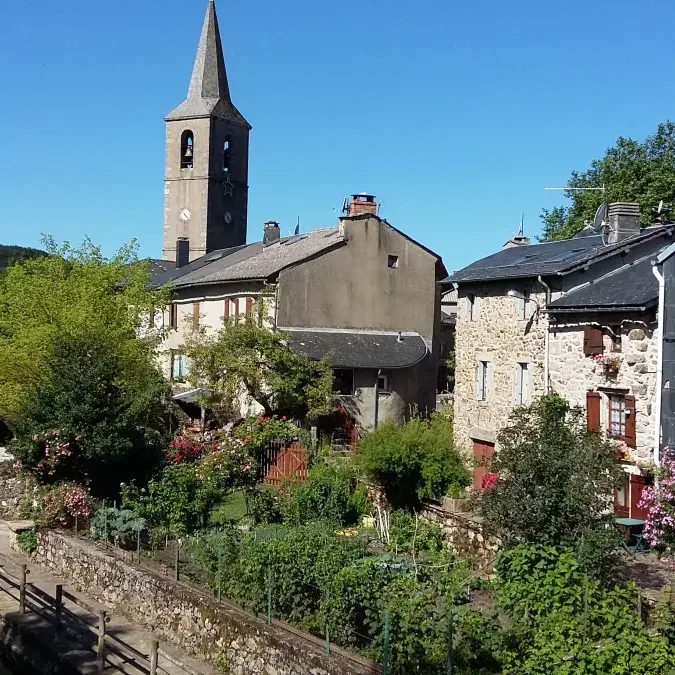
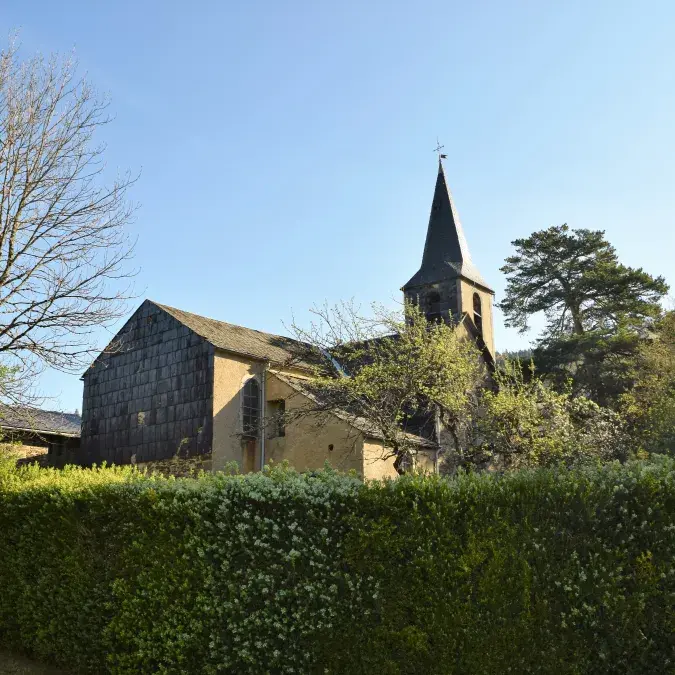
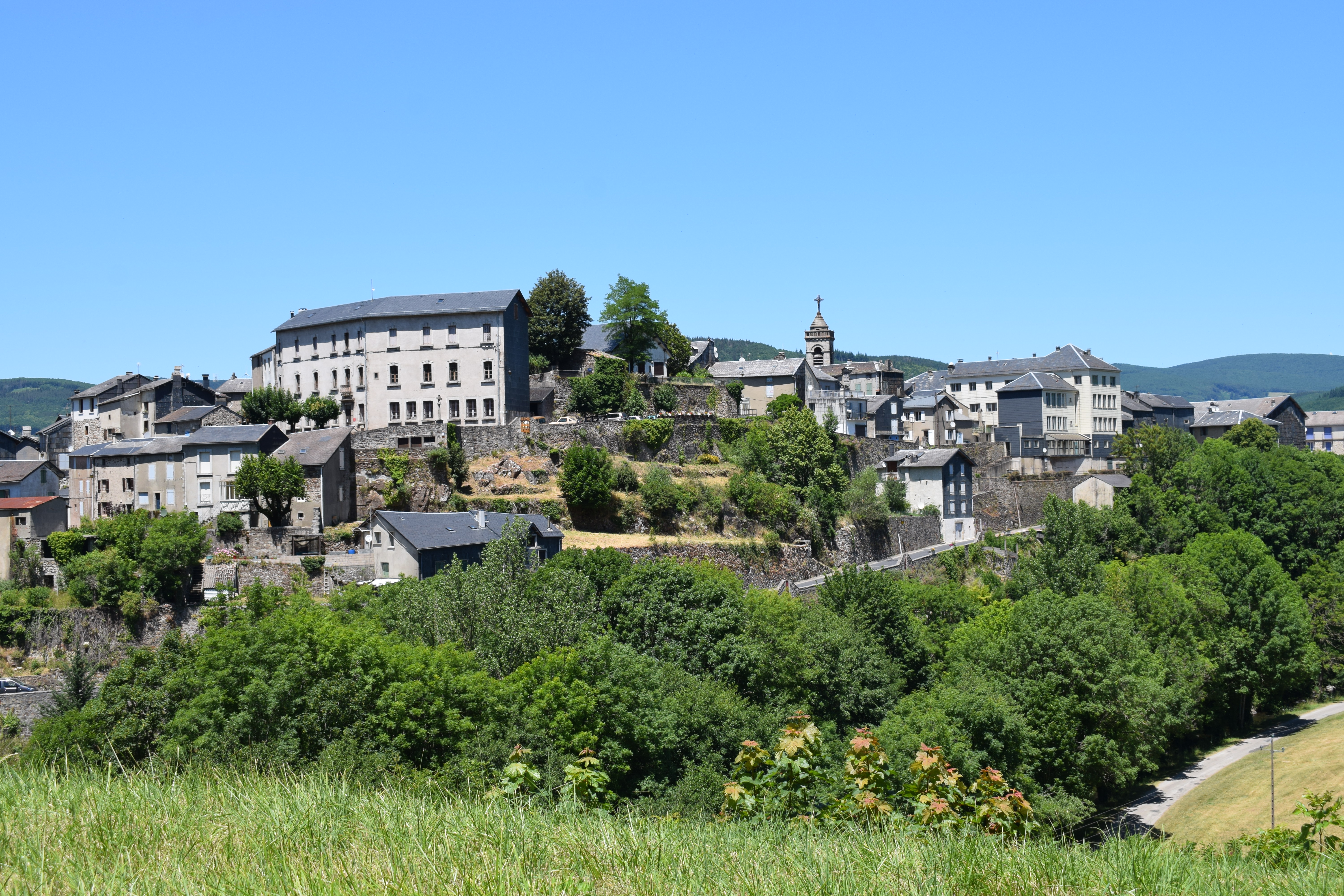
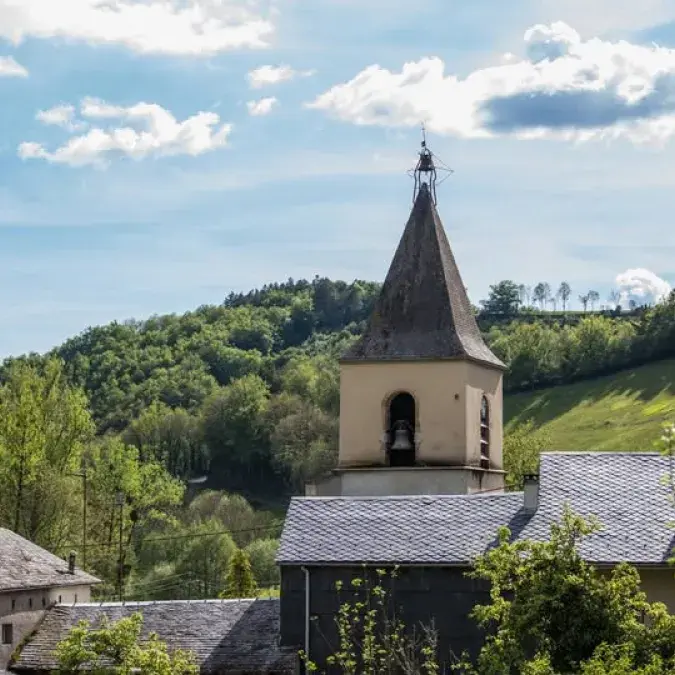
Between the Montagne Noire and the Plateau du Somail, Anglès is a charming village that takes its roots in the 13th century, then known as "Castrum de Angulis," in reference to its rectangular enclosure.

Protected by its isolation, the village went through the Middle Ages without too many difficulties, but in the 16th century, the Wars of Religion hit the region hard. Mostly Protestant, Anglès experienced tensions between communities until the revocation of the Edict of Nantes, marking the beginning of the dark period of the Protestant Desert, where many Huguenots fled the country. 

In the 19th century, Anglès reached its economic and demographic peak, before the First World War disrupted the population.

Nestled in a preserved nature, the village is the ideal starting point to explore natural and cultural treasures:

  • The Via d'Arles, used by pilgrims to Santiago de Compostela.
  • The lakes of La Raviège, perfect for family recreation, and Lake Saints-Peyres, a peaceful refuge for wildlife.


  • A multitude of hiking trails for lovers of the great outdoors.
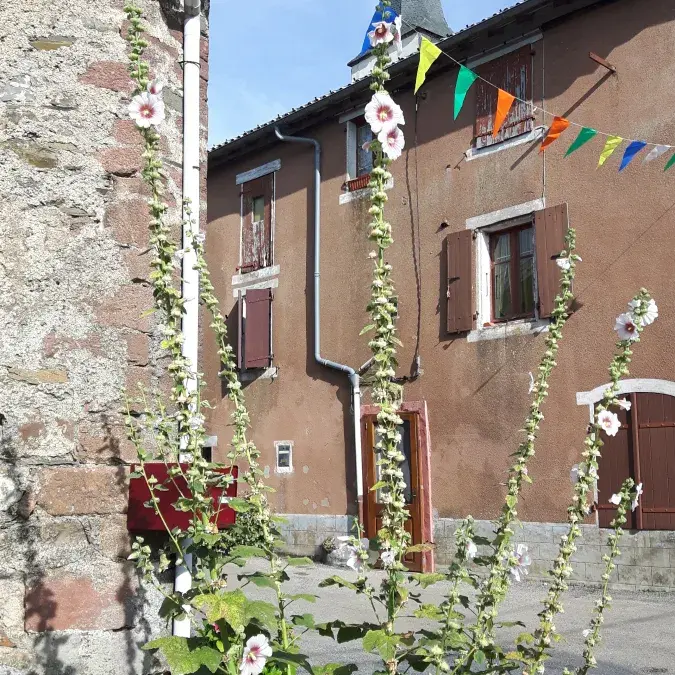


Don't miss :

  • The Protestant temple, a witness to the village's religious history.
  • The church and the Porte du Midi, emblematic historical remains.
  • The Plateau d'Anglès trail, for a panoramic walk.
  • Lake Saints-Peyres, a haven of freshness and relaxation.

Barre

Nestled at 930 meters of altitude, Barre is proudly perched on the border between the Tarn and the Aveyron, making it the highest municipality in the department. Its name comes from the Gaulish "bar," meaning "summit," and its strategic position made it a castrum barum, a fortress protecting the road between Rouergue and Narbonnaise during the Roman era..

Built with rough stones, Barre is organized around narrow alleys called "carrieïros," once used by carts. This authentic setting comes alive every year with the Buffatière, a unique medieval Languedoc dance celebrated on the penultimate Monday of August. Dressed in white, the participants sprinkle spectators with flour using bellows, a tradition that mixes joy and superstition, intended to chase away demons.
Today, Barre lives from livestock farming, especially the famous Lacaune sheep, whose milk is used to produce the famous Roquefort cheese.
 

Don't miss :

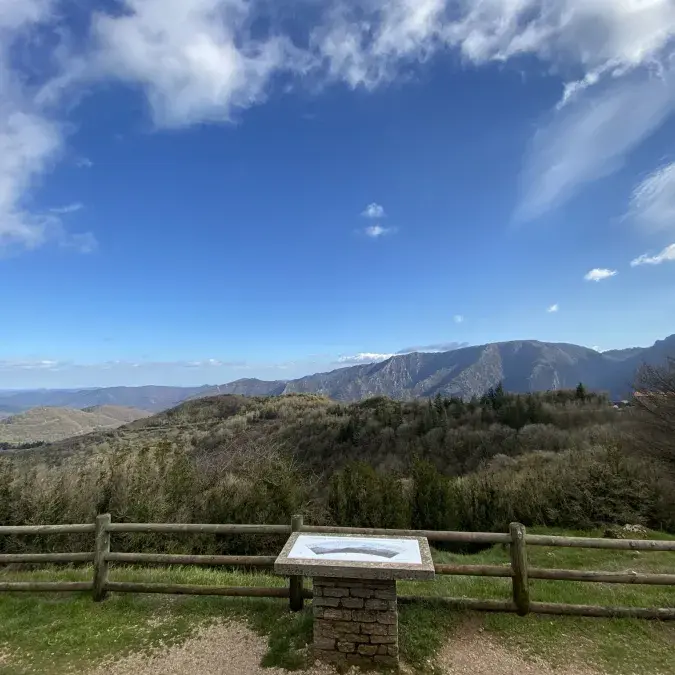
  • Mont Barre trail (6 km) with its panorama and orientation table.
  • Dévès lake, perfect for a nature break.
  • 15th-century church, steeped in history.
  • Gassot fountain, a local curiosity.
  • Sandstone lintels of the doors, witnesses to a rich architectural past.
     

Berlats

At 500 meters of altitude, Berlats is a small village nestled in the hollow of the Lacaune Mountains. Surrounded by green forests and crossed by a multitude of streams, this peaceful place is a true paradise for nature lovers..

In the 17th century, Berlats was a dynamic village thanks to its two grain mills. These contributed to the prosperity of merchant families like the Calvayrac, enriched by the grain trade.

But Berlats also stood out for its 13th-century castle, transformed into a manor house in the 17th, and its unique stud farm in the Tarn, famous for its sought-after services. At the time, mare owners came from all over the region to benefit from this service, essential for horse breeding. Although they have become private, these emblematic places still exist.

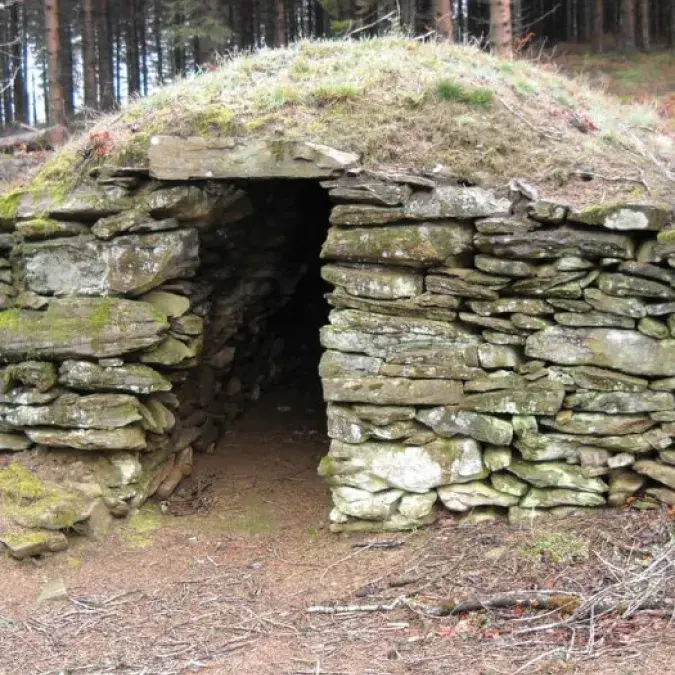
The forests of Berlats have long supplied the region with charcoal, essential for farms and hamlets. Another local curiosity: the jasses, small dry-stone shepherd shelters. Built up until the first decades of the 20th century, some can still be discovered, scattered in the woods or at a turn in a meadow.
.

Don't miss :

  • The Puech dels Carboniès trail, a walk in the heart of authentic landscapes.
  • Berlats Accueil, a holiday center offering accommodation and nature activities, perfect for adventurers seeking to disconnect.

Cambon et Salvergues

Perched between 900 and 1,150 m of altitude in the heart of the Espinouse massif, it is the highest point in the Hérault. Founded in 1869, this village breathes history: statue-menhirs, Roman remains, and the famous Saint-Martin du Froid chapel, erected on a Visigothic tomb, make it a true open-air museum.

An ancient stop on the paths of Santiago de Compostela, Cambon saw its churches and its agriculture flourish over the centuries. Today, it is a haven of peace for nature lovers, perfect for hiking or simply disconnecting.


To discover :

  • The Salverguettes statue-menhir.
  • The Saint-Martin du Froid chapel (pilgrimage in August).
  • The churches of Cambon and Salvergues.
  • Magnificent landscapes and a warm welcome.
     

Castanet-le-Haut

Perched between 435 m and 1124 m of altitude, Castanet-le-Haut is nestled between the Aveyron and the Tarn. Here, history and nature meet, with remains of a Roman camp at Plo des Brus and Visigothic tombs that bear witness to a human presence on these steep slopes for centuries..

Castanet-le-Haut is marked by an exceptional diversity thanks to its position between the granite massif of the Espinouse and the limestone plateau of the Olque cliffs. The latter houses the famous ridge that marks the watershed divide:

  • Mediterranean side: the source of the Mare at Prat de Cèbe.
  • Atlantic Ocean side: the summits of the Espinouse.

The hamlets clinging to the slopes of the mountain owe their history to the cultivation of chestnut trees, which gave its name to the municipality. Today, Castanet-le-Haut attracts climbers, hikers, and adventurers, in search of authenticity and wide-open spaces.


Don't miss :

  • The Sainte-Eutrope chapel (14th century) with its pilgrimage on April 30.
  • The Nougayrol mill (18th century).
  • The Olque cliffs, a paradise for climbers.
  • The Mounis cross with its orientation table and breathtaking views.
  • Notre-Dame de Castanet (17th century), steeped in history.


Esperausses 

Nestled between the Monts de Lacaune and the Sidobre, Esperausses bears a poetic name derived from the Occitan esperansa, which means "hope." This small village steeped in history seduces with its timeless charm and preserved natural setting.

From the Middle Ages, Esperausses was part of the seigniory of Castres, under the authority of the Count of Toulouse, a vassal of the King of France. But the Crusades against the Albigensians (Cathars) changed the situation: after the Count's defeat, the seigniory was ceded to the formidable nephew of Simon de Montfort.

In the 15th century, the Hundred Years' War struck the kingdom, but the surrounding mountains protected Esperausses from the worst ravages. The village would, however, be marked in the 16th century by the Wars of Religion. Very early converted to Protestantism, it became a strategic issue. According to legend, Marshal de Thémines allegedly set fire to the village while pursuing Protestant troops entrenched in Viane. Only the Barbacane castle, perched on its rock, survived these tumults and would be restored in the 17th century.

Today, Esperausses attracts visitors with its preserved environment at the gates of the Sidobre, its peaceful atmosphere, and its picturesque charm. Its narrow streets, shaded squares, and fountains invite you to stroll, while its wooded parks offer unforgettable corners of relaxation.


Don't miss :

  • The Barbacane castle (16th century, private) perched on its rock.
  • The Protestant temple, a witness to centuries past.
  • The Notre-Dame de la Nativité church.
  • The squares, fountains, and the two small wooded parks of the village.
     

Fraïsse-sur-Agout

Nestled at 780 meters of altitude, Fraïsse-sur-Agout is a true jewel of Haut Languedoc. Crossed by the clear waters of the Agout, this typical village, whose name means "ash tree," has its roots in the High Middle Ages. It preserves traces of its eventful history, from the Celts to the Visigoths, and through the Wars of Religion which destroyed its first church.

Today, Fraïsse shines with its peaceful charm, its welcoming inns, and its flowered alleys. Classified "4 flowers" in the "Villages Fleuris" (Flowered Villages) label of the Hérault, it seduces with its collection of rose bushes and its warm atmosphere.

Don't miss :

  • The flowered circuit, a journey amidst colors and scents.
  • L'île sur l'Agout and its water machines (June to October).
  • The sentier Prévert (5 km) and the majestic millennial beech tree.
  • The trout fishing route in the heart of the Agout (March to September).
     

Gijounet

In the heart of the Gijou valley, surrounded by woods, meadows, and streams, the small village of Gijounet takes its roots in the 10th century. Led by lordships then by two consuls elected each year, it was finally attached to Viane after the French Revolution.

  • The "pesquiers": More than 60 water reservoirs dating back more than 200 years, are the ingenious witnesses of a prosperous agriculture.
  • Notre-Dame Church: Built in 1872, its bell tower houses a bronze bell dating from 1655, a vestige of the Grandval castle.

Located on the old route of the Petit Train, Gijounet seduces with its preserved nature, its green landscapes, and its peaceful atmosphere.


To see and do :

  • Traditional houses from the 16th and 17th centuries.
  • Roquenière orientation table for breathtaking panoramas.
  • The greenway of the Petit Train, between tunnels and viaducts.
  • Malefayère trail (9 km) for a bucolic walk.
     

La Salvetat-sur-Agout

Perched on its rocky spur, La Salvetat-sur-Agout sparkles with its slate roofs since the 12th century. This village, whose name means "salvation," has been a land of refuge for centuries, notably thanks to its location on the Via d'Arles towards Santiago de Compostela..

This village has gone through the centuries: from fortifications torn down (the castle) in the 12th century to the economic effervescence of the 19th, and through the Wars of Religion, where despite the conflicts, it was never taken by the Protestants. In the 1950s, the construction of the Raviège dam marked a new boom.


Today, La Salvetat is known for its sparkling mineral water and its exceptional natural setting. Between Lake La Raviège and its nautical activities, hiking trails, and a unique heritage, the village is a haven of peace for lovers of nature and history.
.

To discover :

  • The Romanesque chapel of Saint-Étienne de Cavall and its black virgin.
  • The Saint-Étienne de Cavall bridge (12th century).
  • The Lauze trail (10 km).
  • Lake La Raviège and its leisure centers.
  • Visit the Salvetat bottling plant.
     

Lacapelle-Escroux

Lacapelle-Escroux is a picturesque village nestled in the green Gijou valley. Crossed by the Giroussel river, which meanders from north to south through its steep reliefs before joining the Gijou near Viane, this corner of nature is a true haven of peace.

Like many villages in the Tarn mountains, Lacapelle-Escroux was marked by the Wars of Religion. The noble Bayne family, lords of the village, adopted the Protestant faith and valiantly defended their cause against the Catholic troops of the Prince de Condé. A legend tells that Condé temporarily occupied the Escroux castle, deserted by its owner who had gone to support the Duke of Rohan in a decisive battle at Viane castle. Rohan resisted victoriously, forcing Condé to retreat!

The most emblematic building of Lacapelle-Escroux is undoubtedly the Saint-Pierre church, mentioned as early as the 15th century. It served as a place of worship for several surrounding villages, including Roqueferre and Senaux. The church is distinguished by:
•    Its carved wooden pulpit, a masterful work by the famous cabinetmaker Pierre-Paul Laclau.
•    Its unique dome-shaped bell tower, housing two bells and a third one fixed outside, at the end of the bell tower.


Lacaune-les-Bains

Lacaune-les-Bains is a journey through time, marked by millennia of history and a unique culture. Its name, coming from the Latin "Cauna" meaning "cavern," reflects a rich past.

The history of Lacaune continues in the Middle Ages with crusades, wars of religion, and a significant episode: the Wild Child, a young boy found in 1798 whose story inspired François Truffaut.

The 19th century saw Lacaune open up to the world thanks to the railway and experience a tourist boom with its thermal spa. It is also the time when the art of salting began, which still today makes the reputation of its IGP ham.

To discover :

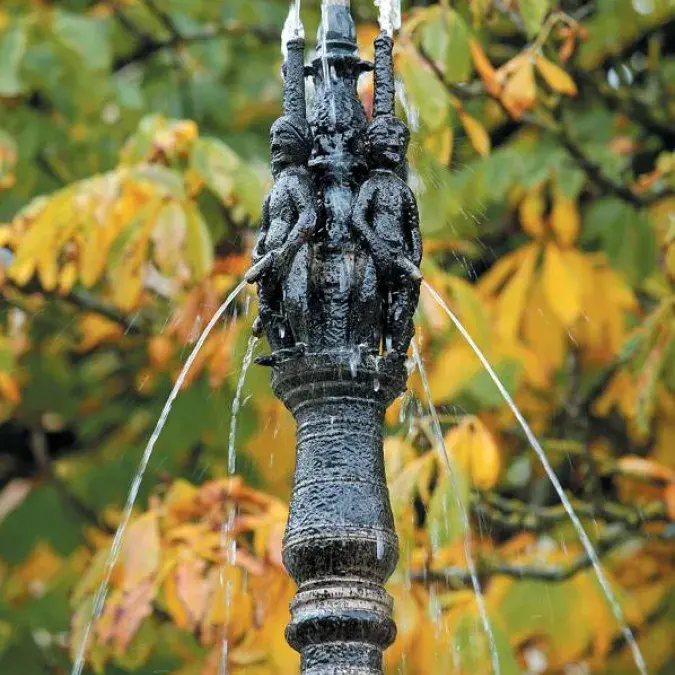
  • The circuit of the fountains and the fountain of the pissers.
  • The Mémoires Lacaunaises museum.
  • The majestic Pierre Plantée, one of the largest menhirs in Europe.
  • The greenway of the Petit Train and its tunnel (May to October).
  • The Wild Child trail (April to October).
     

Lamontélarié

Perched at 800 meters of altitude, Lamontélarié is a true haven of peace. Surrounded by deciduous and coniferous forests, as well as vast meadows, it is the ideal spot for lovers of nature and calm. By following a trail, under the vault of the trees, you will discover the ruins of the hamlet of Sicardens, remains of a peaceful past.

In the 19th century, about twenty families lived in Sicardens in houses with gorse roofs and beaten earth floors. The poor land forced the inhabitants to hire out their arms, and they were called the "Brassiers." In 1870, an anthrax epidemic ravaged the hamlet and left it dormant, but its ruins still carry the memory of these simple lives.


Lamontélarié is a typical mountain village with its stone houses and slate roofs, and its Sainte Marie-Madeleine church dating from the 17th century. Nestled near Lake La Raviège, it is the dream place for water sports enthusiasts. Its streams with crystalline waters will also delight fishermen. But the real gem of this corner of nature is its wetlands and peat bogs (the Sagnes), perfect for ecology enthusiasts, with exceptional fauna and flora.


Don't miss :

  • The village of Lamontélarié and its Sainte Marie-Madeleine church.
  • The balade Montéliote (14 km) and the hamlet of Sicardens (accessible on the route).
  • The La Sagne des Baysses discovery trail and its unique ecosystem.
     

Le Soulié

Perched at 900 meters of altitude on the Somail plateau, Le Soulié is bathed in light, as evidenced by its name, derived from "Solher" (sun). The village really took shape in the 18th century, in a legendary atmosphere: a quarrel between the hamlets of Vergouniac and Caraman over the location of a church resulted in the construction of a building at Le Soulié-Haut, a point of balance between the two camps.

In the 50s, Le Soulié became a climatic resort welcoming holiday camps and vacationers, attracted by its fresh air and sunshine. Even today, its many hamlets retain a timeless charm with their stone bread ovens, which come back to life every summer during the "Journée des fours" (day of the ovens).


Absolutely to discover:

  • The cross of Saint Brancary: an ancient place of pilgrimage.
  • Grandsagnes castle (16th century).
  • The Planques trail and its slate bridges.
  • The village with its church, its fountain, and its lake.
  • The hamlets (Sept-Faux, Le Banès, La Fajolle) and their bread ovens.


Moulin-Mage

Nestled at the foot of the imposing Montalet, the highest point in the Tarn, Moulin-Mage stands proudly at the crossroads between Murat and Barre, on the border of the Tarn and the Aveyron. Its name, from the Occitan "Molin Magèr" ("the great mill"), is still intriguing: could the mill located near the Fontblanque road be its origin? Mystery unsolved...

Inhabited for more than 5,000 years, the region is marked by statue-menhirs left by the first farmers of the Neolithic, such as the famous menhir of Vacant. The Romans then traced their route here, connecting Béziers to Cahors. But it was only at the beginning of the 20th century, with the arrival of the Petit Train and the opening of a road, that Moulin-Mage gained its independence and became a full-fledged municipality.


Absolutely to see :

  • Notre-Dame church of Moulin-Mage (1836).
  • Saint-Hilaire de Cabannes church (1837).
  • Menhir du Vacant, an imposing vestige of the Neolithic.


Murat-sur-Vèbre

Leaning against the rock of Castelas, Murat-sur-Vèbre, from the Latin muratum ("enclosed by walls"), is a village that breathes history. Crossed by the Vèbre, the municipality extends around its main town and its churches, remains of the four parishes of yesteryear.

Murat is marked by a human presence dating from prehistory, as evidenced by the mysterious statue-menhirs. These treasures, dating from 3,300 to 2,200 years B.C., are showcased at the megalith museum, a must-see for history and riddle enthusiasts.

Over the centuries, Murat has witnessed the Wars of Religion, the arrival of the little train, and the construction of roads that facilitated exchanges towards Languedoc. Today, Murat remains a privileged stop on the Via d'Arles towards Santiago de Compostela.

With its green landscapes and cool climate, Murat is an invitation to escape. Between its hiking trails, like the Tourelles trail or the Plo de Canac one, and its historical sites, there is plenty to explore!
 

To discover :

  • The Megalith Interpretation Center.
  • The remains of the Boissezon tower and the Canac castle.
  • The Narulle Mill.
  • The Grotte des Fées trail.
     

Nages

Nestled along the Viau river, which meanders peacefully to Lake Laouzas, the village of Nages combines historical heritage and enchanting landscapes.

The castle of the Counts of Thézan, a witness to the Wars of Religion, now houses exhibition halls. Beside it, the Saint-Victor church reveals sublime frescoes signed by Michael Greschny. Not far away, the Maison de Payrac, a former 19th-century farm, invites you on a journey into the past with its open-air museum.

Lake Laouzas and its surrounding forests offer a perfect setting to recharge your batteries. Enjoy the hiking trails, water activities at the Rieumontagné leisure center, or let yourself be seduced by the charm of the hamlet of Villelongue and its majestic bell tower.
 

To discover :

  • The castle towers and the frescoes of the Saint-Victor church.
  • The Maison de Payrac (May to October).
  • The "Nages along the Viau" circuit and the many trails around the lake.
  • The Tastavy presbytery, a conservatory of Catholic memory.
  • The Médié'Nages Festival.
     

Rosis

Rosis is a village that extends over 5,300 ha, with 22 hamlets hidden in the Mare valley and the Héric Gorges. Formerly called Saint-Gervais – Terre Foraine, the village took its current name in 1827, inspired by the castle of the De Portalon de Rosis, a local noble family.

While Rosis is not the most populated hamlet, it is Andabre that is in charge of communal life, thanks in particular to its old anthracite mines. But it is above all a real playground for lovers of nature and adventure: hiking, climbing, and wild fauna await you! You can tackle the Rosis mountain, the Caroux, or even l'Espinouse, ideal summits for hikers and climbers in search of thrills.

Here, the golden eagle majestically flies over the landscapes, and the Corsican mouflons, introduced in 1956, run down the slopes of the mountain. Rosis also houses a national hunting reserve that protects an impressive fauna of about 1,800 heads.


Don't miss :

  • The hamlet of Douch.
  • The PR hiking trails that will take you through breathtaking landscapes.
  • The summit of the Caroux with its orientation table for a stunning view.
  • The Fage mill and the hamlets like Rosis, Andabre, and Cours, where the stone and slate-roofed houses immerse you in Cevennes authenticity.
     

Saint-Salvi-de-Carcavès

Avec ses 90 habitants, Saint-Salvi-de-Carcavès est un petit coin de paradis niché dans les montagnes du canton de Viane. À 730 mètres d’altitude, ce village charmant s’étire le long du Dadou. Elle prend sa source près de la Frégère, serpente au fond d’une vallée encaissée et s’élargit doucement à hauteur du village.

Here, the cold and humidity shape a green landscape where oaks, beeches, ash trees, chestnut trees, boxwoods, hollies, gorse, ferns, and heather flourish. This natural setting is ideal for lovers of tranquility and greenery, offering breathtaking panoramas.

Saint-Salvi-de-Carcavès is steeped in history. The Ouvradous statue-menhir, discovered in 1930, testifies to a human occupation dating back to 3000 B.C. The village's name pays tribute to Salvius, Bishop of Albi, and its boom is partly explained by its strategic location on the old Albi-Lacaune axis, which was once very busy.

Like many villages in the region, Saint-Salvi has gone through tumultuous periods. In the 14th century, looting marked the area, but peace finally settled in starting from the 15th century. In the 19th century, the rural exodus reduced the population, but today, the village is experiencing a new life, particularly thanks to summer visitors in search of calm and authenticity.


Don't miss :

  • The Virgin's rock, an emblematic site offering a spectacular panorama thanks to its orientation table.


Senaux

Senaux, one of the smallest villages in the Tarn, is hidden in a green setting in the heart of the Monts de Lacaune. Its name would come from SENALDUS, an ancient Gallo-Roman villa located on the Roman road connecting Béziers to Cahors.

The village is especially known for its De Goudon castle, a family of Protestant nobles, and its incredible Romanesque fountain nestled in a dry-stone pigeon loft made of slate. This unique fountain is a true historical gem, carefully restored by the association "Les Amis de Senaux." Until the beginning of the 20th century, it was essential to the life of the inhabitants, who came there daily to draw water.

Crossed by three streams – Blateyrou, Gijoussel, and Sepval – Senaux is an invitation to relax. Its natural coolness, its typical alleys, its well, and its bucolic setting make it an ideal destination for those in search of calm and authenticity.


Don't miss :

  • The dovecote fountain, an architectural marvel.
  • The village alleys and its remarkable well.


Viane Pierre-Ségade

Nestled in the Gijou valley, Viane Pierre-Ségade is a little Tarn gem with a fascinating past. Originally, a hamlet perched on the Viane rock, its name comes from "vianova" meaning "new way," in connection with the Roman road from Roquecézière.

In the Middle Ages, Viane housed a feudal castle, destroyed during the Wars of Religion. Over time, the village evolved and moved to Pierre-Ségade, a more peaceful place at the bottom of the valley. Viane also played a major role during the Albigensian Crusade and was a Protestant refuge during the Wars of Religion. At the beginning of the 20th century, the arrival of the Petit Train in 1907 connected Viane to Castres in less than three hours, revolutionizing local life.

Today, you will discover numerous religious buildings there, from Catholic and Evangelical churches to Protestant temples. The village is also full of bridges and fountains, the most famous of which is the Recoules Fountain, a 16th-century masterpiece classified as a Historic Monument.


Don't miss :

  • The Rock, an incredible viewpoint over the village.
  • The Notre-Dame church (19th century).
  • The Pratmayou spring and Lake La Rabaudié.
  • The Recoules fountain, a 16th-century historical monument.