Caroux : the mountain of light
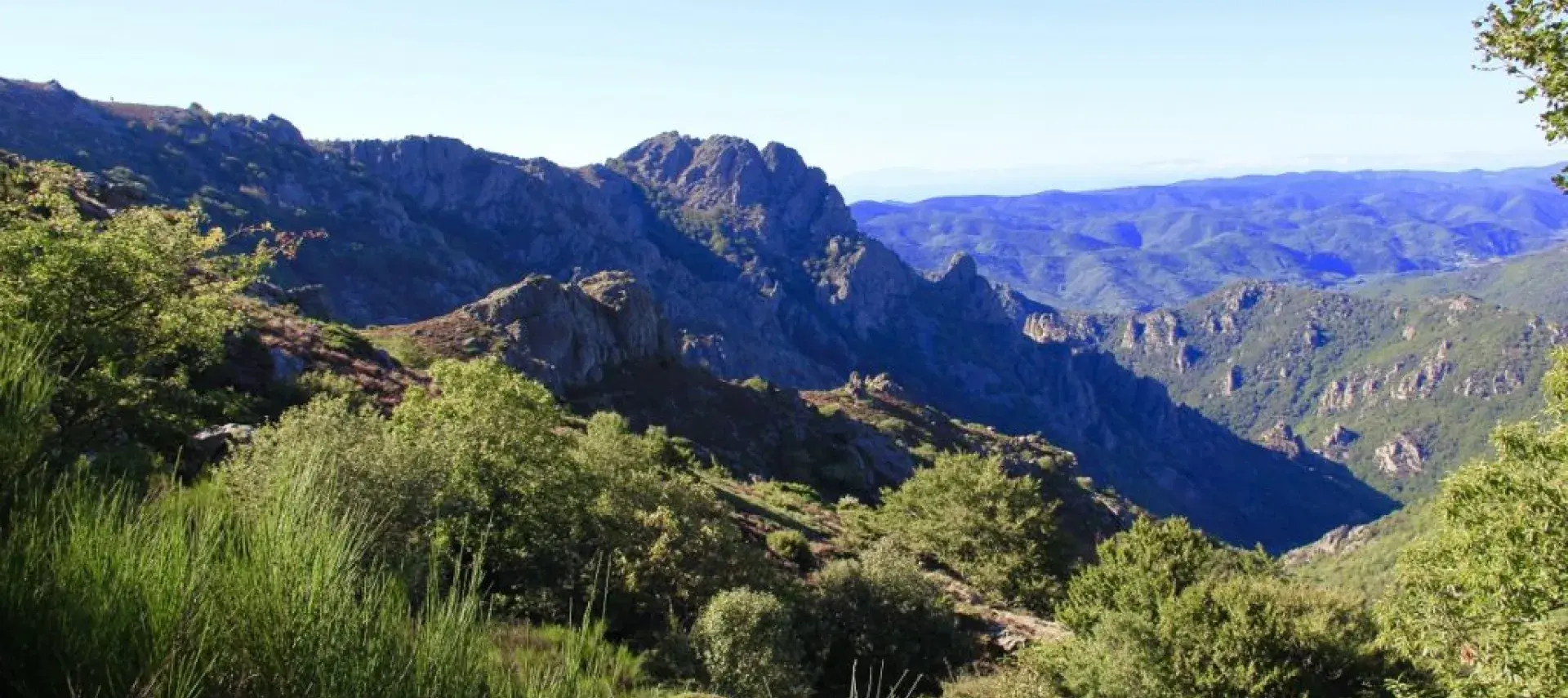
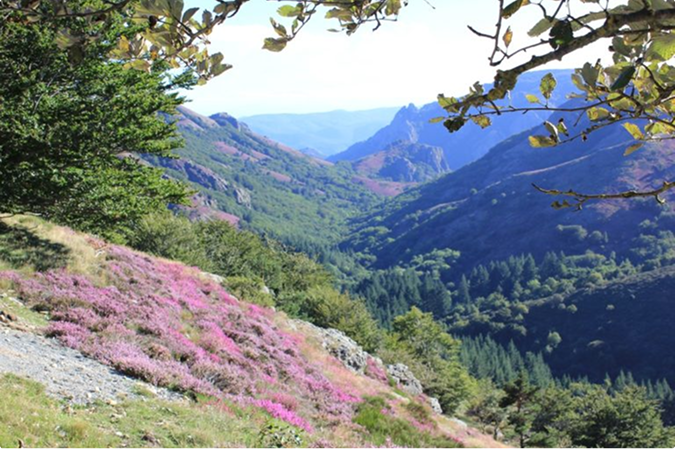
Nestled between the Massif Central and the Mediterranean, the Caroux is a true natural balcony offering breathtaking panoramas of the Languedoc plain and the sea. This mountainous massif is much more than a simple summit: it is steeped in mystery and legends, and its unique sparkle leaves no one indifferent
A mountain bathed in light
Le Caroux, surnommé la Montagne de Lumière, doit son nom à la lumière particulière qui se reflète sur ses roches de gneiss. Ces pierres, parsemées de paillettes de mica, brillent sous le soleil, créant un spectacle naturel fascinant. Vous le verrez, surtout sur le versant sud du Caroux, où les gorges profondes et les aiguilles imposantes sculptent un paysage saisissant.
The Caroux, nicknamed the Mountain of Light, owes its name to the particular light that reflects off its gneiss rocks. These stones, sprinkled with mica flakes, shine under the sun, creating a fascinating natural spectacle. You'll see it, especially on the southern slope of the Caroux, where deep gorges and imposing spires carve out a striking landscape.
A legendary silhouette : the "lying woman"
When you admire the Caroux from the coast, you will notice a giant silhouette that resembles a reclining woman, a detail that has captured the imagination of sailors for centuries. But this shape is no accident! Listen to the legend...
Once upon a time there was Cebenne, daughter of the Titans, condemned by Zeus to hope for love without ever reaching it. Overwhelmed with grief, she came to lie down on the summit of the mountain to die there. Nature, softened by her sad fate, fashioned a stone casket for her for eternity. The body of the unfortunate Cebenne thus forever draws the relief of the Caroux massif and her tears feed, drop by drop, the waters of the Héric stream.