This self-guided walk reveals the rich history of Viane through its heritage sites: its four places of worship, the old bridge, the Recoules fountain and more.
A visitor leaflet is available at the Tourist Information Centres.
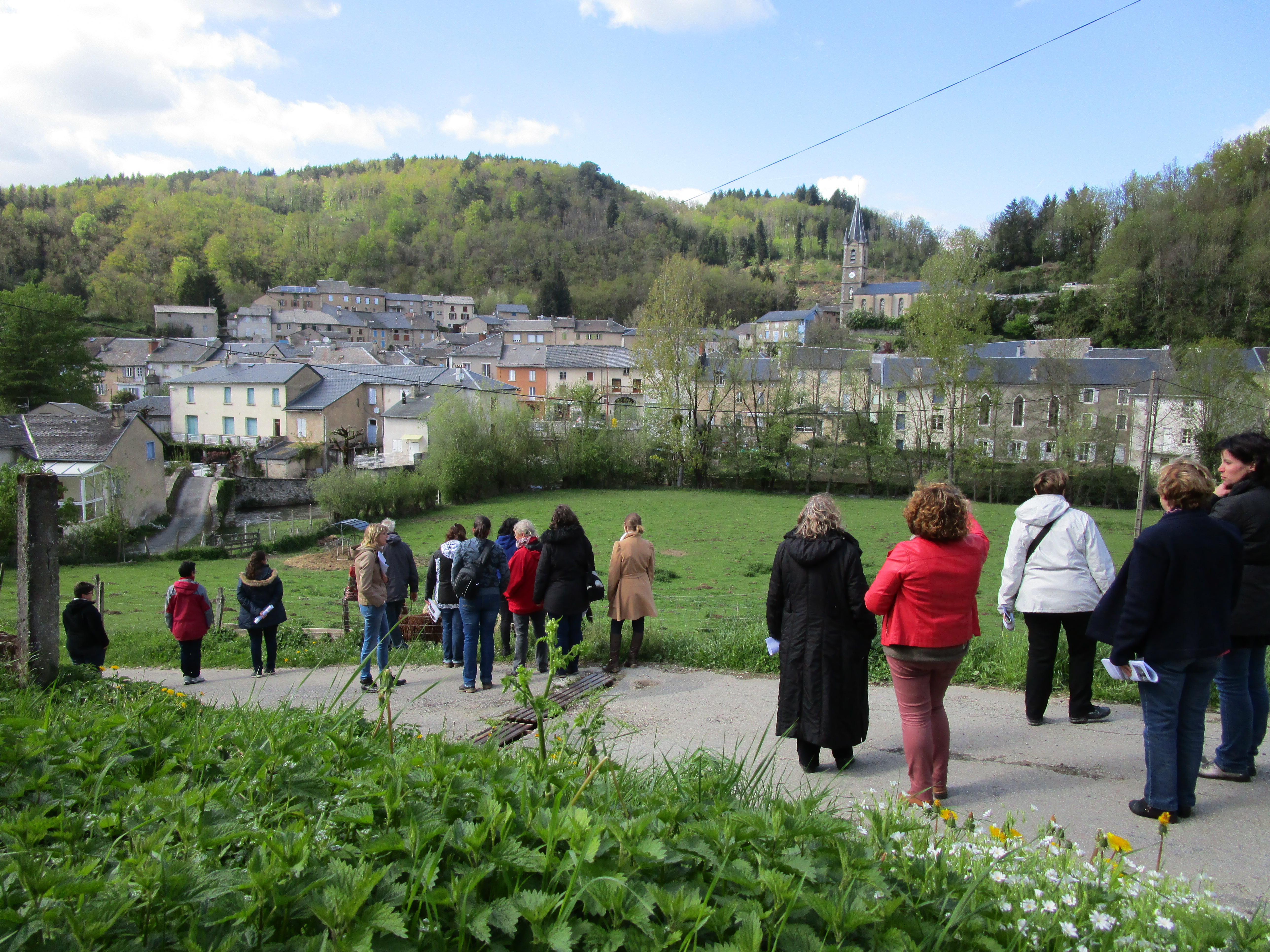
Nestled on the hillside in the Gijou valley, Viane has a remarkable past.
Originally a hamlet known as “Vianova” (“new road”) linked to the Roman route from Roquecézière, it later became a stronghold during the Albigensian Crusade and a major Huguenot centre from 1562 onward.
The arrival of the small railway in 1907 transformed village life dramatically, connecting it to Castres in less than three hours.
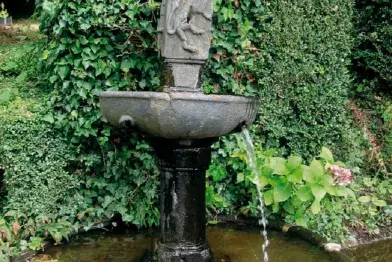
Thanks to its rich history, Viane is an open-air museum, home to several religious buildings, picturesque stone bridges and notable fountains — including the famous Recoules Fountain, a mysterious 16th-century monument listed as a Historic Monument.
Not to miss:
- The Rocher viewpoint
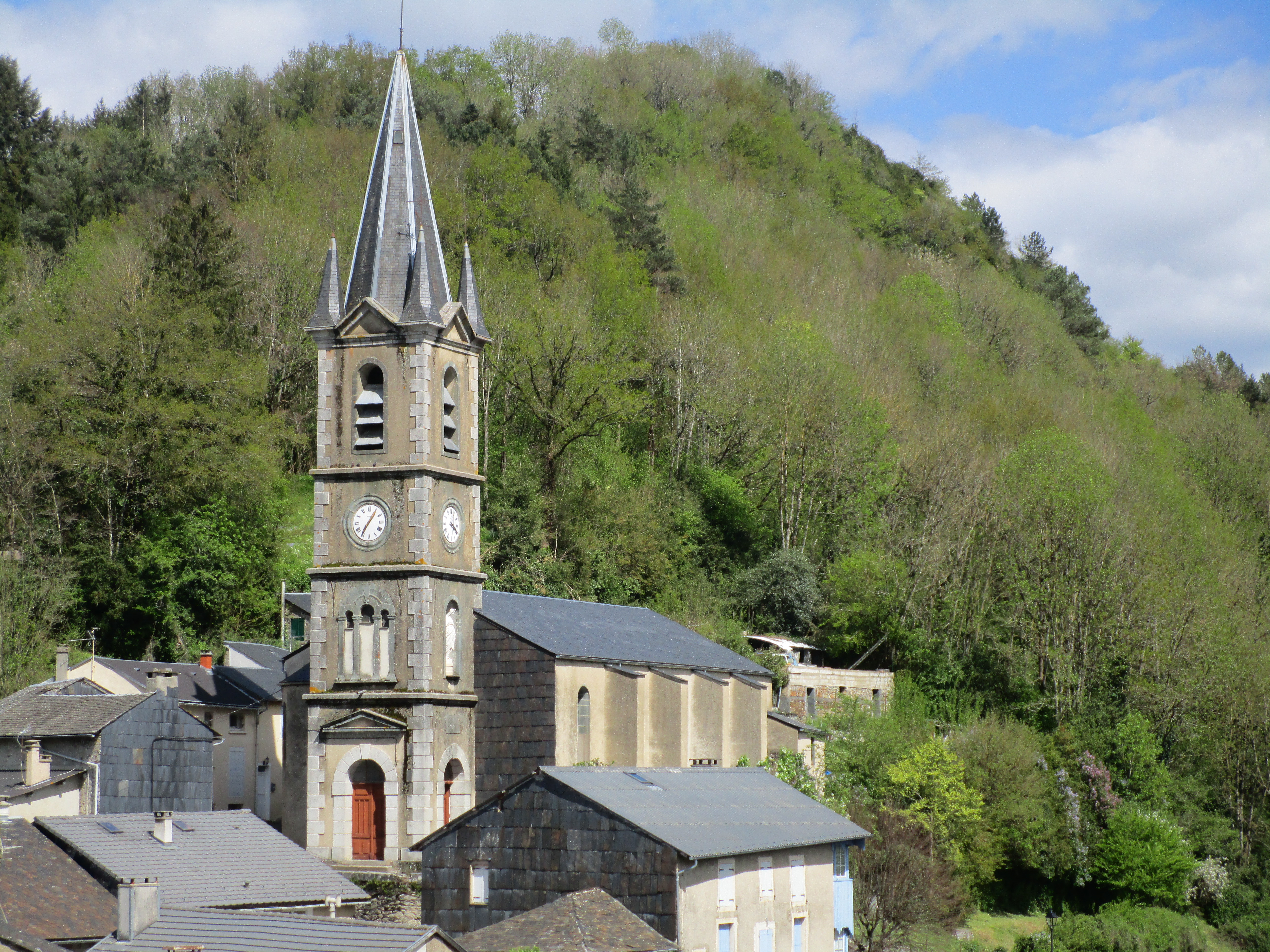
- The 19th-century Notre-Dame Church
- The Pratmayou spring
- Lake Rabaudié
- The Recoules Fountain (16th c.)
A visitor leaflet is available at the Tourist Information Centres.
Nestled on the hillside in the Gijou valley, Viane has a remarkable past.
Originally a hamlet known as “Vianova” (“new road”) linked to the Roman route from Roquecézière, it later became a stronghold during the Albigensian Crusade and a major Huguenot centre from 1562 onward.
The arrival of the small railway in 1907 transformed village life dramatically, connecting it to Castres in less than three hours.
Thanks to its rich history, Viane is an open-air museum, home to several religious buildings, picturesque stone bridges and notable fountains — including the famous Recoules Fountain, a mysterious 16th-century monument listed as a Historic Monument.
Not to miss:
- The Rocher viewpoint
- The 19th-century Notre-Dame Church
- The Pratmayou spring
- Lake Rabaudié
- The Recoules Fountain (16th c.)
Practical informations
Geolocation
Latitude :
43.736929
/ Longitude :
2.581407